Trending

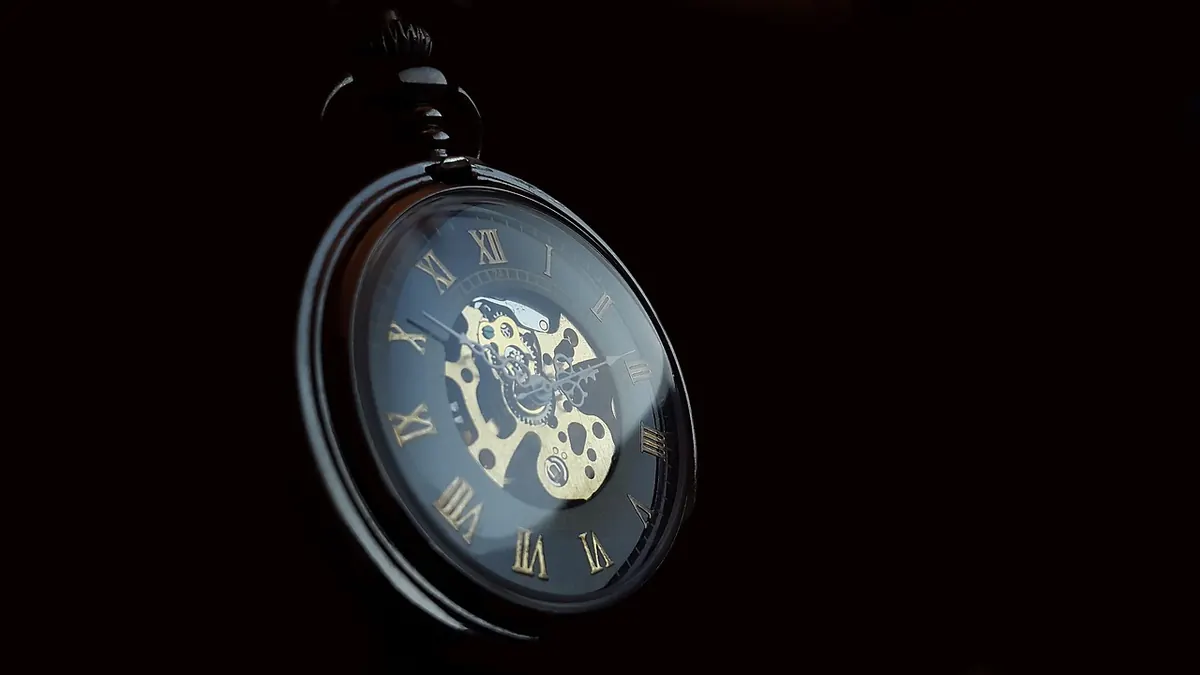
The seller says it runs like a train. It probably does — for the four minutes you spend holding it over the counter. Vintage watches are generous in short bursts and honest over a week, which is why good buying decisions tend to be made with a list rather than a feeling.
The twelve questions below work just as well for a 1960s dress watch, a 1970s chronograph, or the mantel clock you spotted at a country fair. None of them require a bench, a loupe in both eyes, or a watchmaker's vocabulary. They require patience, and the willingness to walk away from a piece that fails two or three of them. Ask them in order. Each answer shapes the next.
The dial is the most expensive thing to put right and the easiest thing to misrepresent. A cheap 10x jeweller's loupe is enough. Look at the printing: original text sits crisp and slightly raised, while repainted text often looks heavier, sits in a slightly wrong font, and leaves a minute track that appears drawn rather than printed. Check for paint bleeding at the edges of the numerals and for a logo sitting a fraction off-centre.
Lume is where redials give themselves away. Original plots age unevenly and rarely match the hands exactly. A dial with bright, uniform plots and hands to match — on a watch that is otherwise forty years old — deserves a second look. On Swiss pieces, the small "T SWISS MADE T" or "SWISS MADE" signature at six o'clock should be consistent with the era, a detail repainters frequently miss.
Water damage is not automatically a reason to walk away. A lightly speckled dial can be charming. Flaking lacquer, tide marks around the edge, or a dial that has turned from silver to brown through moisture are different matters; where water reached the dial, it reached the movement too.
The hands should be the right shape and length for the reference. A seconds hand that stops short of the minute track is usually a replacement. The crown should be signed where the original was signed and should sit flush against the case rather than hovering on a replacement tube. A scratched acrylic crystal is normal and can be polished or replaced cheaply; a badly fitted one that sits proud of the bezel often points to a hurried repair elsewhere. One more consideration: lume from the pre-1960s era was frequently radium-based, and flaking lume is a genuine hazard. Do not open the case or disturb the dial yourself, and take professional advice before buying a piece with damaged luminous paint.
Polishing removes metal, and metal does not grow back. Turn the watch sideways and look at the lugs: original chamfers should still be visible as a crisp bevel, and lugs should have thickness rather than a knife edge. On gold cases, hallmarks between the lugs get soft and shallow after repeated buffing. A case that has been polished until the caseback threads are thin is a case that may not seal again.
None of this means you must buy unpolished. It means you should know what you are looking at and price accordingly. An honest, lightly worn case with original lines is generally a better buy than a mirror-finish case with rounded edges. Look also for pitting around the caseback lip, corrosion between the lugs, and spring bar holes that have been drilled out or enlarged.
Finally, check that the numbers agree. Case reference, movement serial and caseback stampings should be consistent with one another and with the era of the watch. A mismatched "marriage" of case and movement is not always a dealbreaker, but it should be reflected in the price and disclosed by the seller.
"Recently serviced" is a phrase, not a document. Ask who did the work, when, and what was replaced. A receipt with a watchmaker's name on it is worth more than any adjective in the listing. If the seller cannot say, assume a full service is due and budget for it — on a vintage piece, that is part of the purchase price, not an afterthought.
Ask about parts. A replaced mainspring or balance staff is normal maintenance. A replaced dial, a swapped movement, or a caseback from another watch is not. On clocks, ask whether the movement has been re-bushed, whether pivots have been re-pivoted, and whether the mainspring is original; worn pivot holes are the most common reason an old clock stops overnight.
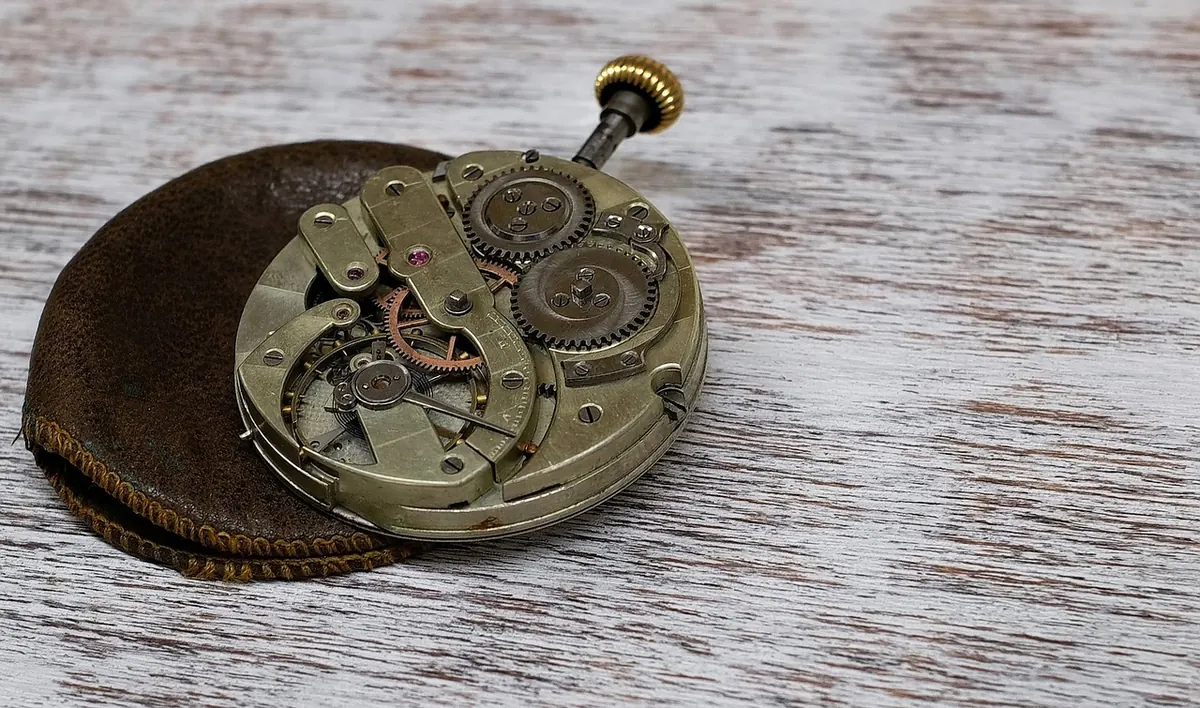
Look for the warning signs that no description can hide: rust on screw heads, green corrosion around the keyless works, a hairspring that clumps or sticks, or a movement that has been sitting dry for decades. If the seller will not show you the movement — or at least clear photographs of it — treat that as an answer in itself.
Ask to wind it fully and set it against a reliable reference, then check it again the next day. If you are buying in person, do the short version on the spot:
If the seller can supply timegrapher readings, ask for them, and ask at what lift angle they were taken — figures without that context mean little. On a vintage movement, a beat error under roughly 0.8 ms and a rate within a few seconds a day are reasonable; low amplitude on an 18,000 bph calibre is common but should not be alarmingly low. Remember that vintage watches are not water resistant in any modern sense. Old gaskets and worn crowns let water in, so do not swim or shower with one regardless of what the caseback says.
Buy the seller as much as the watch. Someone who answers these questions plainly, sends extra photographs without being asked, and volunteers the flaws is worth paying a little more for than a bargain with a vague description. Get the agreed points in writing — originality, service history, known faults, and the return window — even if that is only a short message thread you both acknowledge.
Ask for a short video of the watch running, with the seconds hand visible, and one of any complication in action. Compare the asking price against sold examples rather than asking prices, and remember that dealer prices include a guarantee you are not getting in a private sale. If the piece is expensive or the answers are thin, have it inspected by a watchmaker before the return window closes; a modest fee is cheaper than a balance staff and a new dial. Then buy it, wear it, and have it serviced on your own schedule — not on the seller's promise.
Photo: Felix-Mittermeier / Pixabay