Trending

A watch that lives on your wrist is, in a quiet way, a well-kept machine. It stays warm, it moves constantly, and its lubricants are spread thin and even across the jewels and pivots by the simple fact of being worn. Take that same watch off in October and leave it in a drawer until April, and something changes. The oil stops moving. The air in the drawer keeps doing whatever it does. Dust settles. Gaskets that were compressed and released a hundred times a day now sit in one position for months on end.
None of this happens dramatically. That is precisely the trouble. A mechanical timepiece degrades in storage the way a garden path weeds over: slowly, invisibly, and then all at once when you look closely.
The good news is that almost all of it is preventable with a shoebox-sized setup and about twenty minutes twice a year. What follows is how to store mechanical clocks and watches for a season or longer, and what to check when they come back out.
Lubricants in a mechanical movement are not static. They creep, they pool, and over years they can thicken or separate. In a running watch, the constant motion keeps oil distributed where the design intended it. In a stopped watch, gravity has months to pull it away from the contact points that need it most.
Gaskets behave similarly. The crown seal, the caseback O-ring and the pusher seals stay supple partly through use. Left compressed in one position, rubber hardens and takes a set. That matters later, when you assume a ten-year-old watch is still splash-proof because it once was.
And there is the simpler problem: a watch or clock sitting still is a shelf. Dust accumulates on the movement of an open clock, on the dial of a watch left uncased, in the crevices around a bezel. Dust is mildly abrasive. Combined with oil, it becomes a fine grinding paste at exactly the points you least want one.
If you control only one variable, control moisture. Steel components — pinions, screws, the hairspring, the arbors in a clock movement — will rust given enough damp and time, and a rusted pivot is a repair, not a cleaning.
Aim for a stable, moderate environment. Somewhere in the region of 40–50% relative humidity is comfortable for a timepiece and easy to maintain in a normal home. Below that, leather straps and some vintage materials can dry and crack; well above it, condensation becomes possible with every temperature swing.
Where not to store: bathrooms (showers), kitchens (kettles and pans), laundry rooms, damp basements, unheated attics, and against outside walls where the plaster runs cold. A drawer in a heated, lived-in room is almost always a better home than a "safe" spot in the cellar.
Silica gel sachets work, but only if you treat them as consumables. They absorb a finite amount of moisture and then stop, sometimes releasing it back. The colour-indicating type takes the guesswork out of it: blue or orange beads when active, pink or clear when spent. Recharge them in a low oven as the packaging directs, or replace them. Refresh every few months, and any time you open the box for a while.
One caution: don't put a very cold watch straight into a warm, humid room and open it up. Let it sit in its closed box until it reaches room temperature. Condensation forms on cold metal, and a case that is not perfectly sealed will pull that moisture inside.
Stability matters more than the exact number. A steady 18–21°C is ideal; a spot that swings from 12°C at night to 28°C by afternoon is not. Repeated expansion and contraction works on gaskets, case joints and the shellac that holds jewels in place in older movements.
Keep pieces away from radiators, hot water pipes, wood stoves and the tops of appliances. A mantel clock above a fireplace is a lovely idea and a poor one for the movement: heat drives oil off the pivots faster than anything else in normal domestic life, and soot is abrasive in its own right.
Light is the other slow factor. Ultraviolet fades dials, turns lume from cream to grey, and dulls lacquer and varnish. A watch displayed on a sunny shelf will show it within a few years. Store in the dark, in a closed box, and rotate what you display.
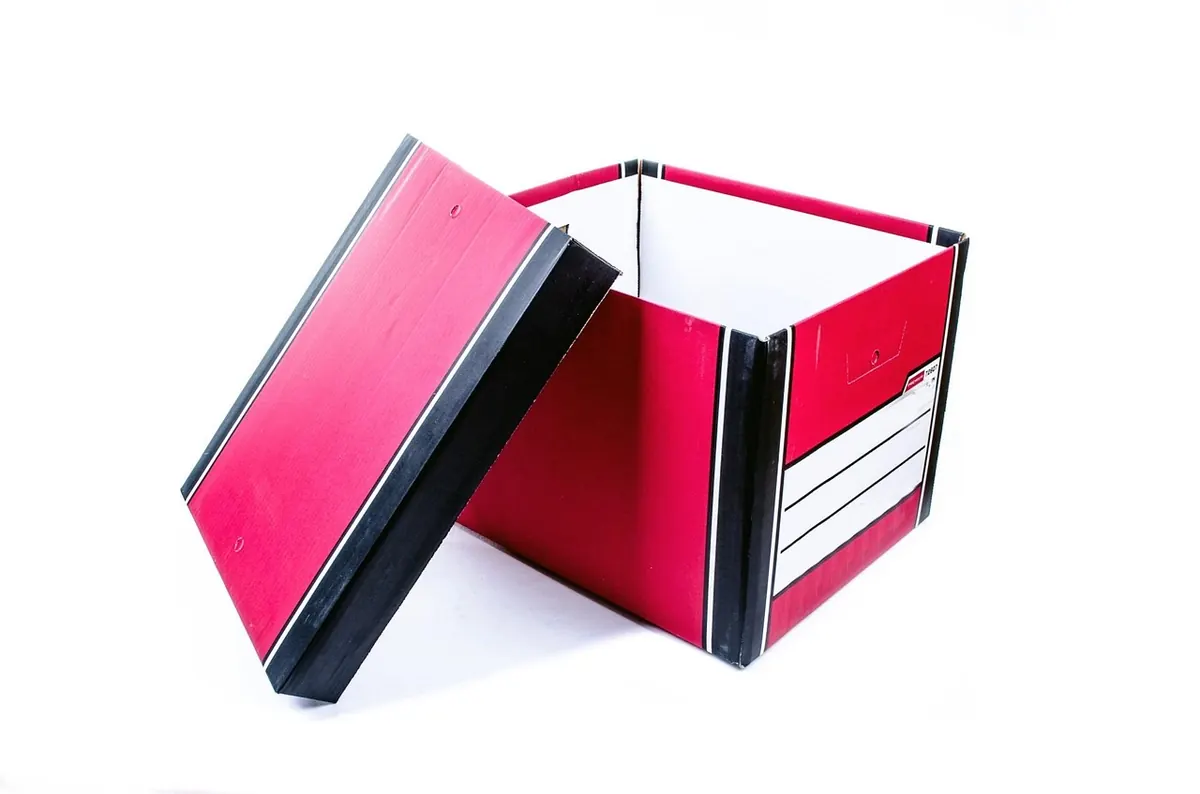
The container should do three things: keep dust out, buffer small humidity changes, and not introduce its own chemistry. A plain sealed plastic bag does the first two badly — it traps whatever moisture was inside when you closed it. Better is a soft pouch in a lidded box, with desiccant alongside.
For clocks, a fitted dust cover of soft cotton is the classic solution, and it lets the case breathe. Before covering, dust the case with a dry soft brush — never a damp cloth on an old dial — and leave the movement alone. Storage is not the moment to oil anything; stale oil plus fresh oil is worse than stale oil alone.
Collectors argue about this and both sides have a point. A watch on a winder keeps its lubricants distributed and its complications correctly set. A watch at rest accumulates no wear on the going train, which matters over decades.
A practical middle path: let most watches rest, but give them a run. Wind a manual watch fully once every two to three months and let it run down; put an automatic on a winder for a few days at the same interval. Use a winder continuously only for pieces with perpetual calendars, moon phases or other complications that are genuinely tedious to reset — and set the turns per day low rather than high.
Pendulum clocks should be stored upright and level, with the pendulum removed for any transport and the weights lowered or removed as the maker intended. Let a spring-driven clock run down before a long storage rather than leaving it fully wound for months.
Take the box into the room, open it, and wait an hour before touching anything. Then wind gently and let the watch run for a few days before judging it. A piece that has sat idle often runs fast or slow for the first week while the lubricants redistribute; that is usually not a fault.
If a watch has been asleep for several years, expect a service rather than a miracle. Oils have a working life measured in years, not decades, and a dry movement run hard after a long rest wears its pivots. Water resistance should never be assumed on an older watch — splash-proof in daily use is one thing, swimming with a piece that has spent three winters in a drawer is another.
Tie storage to something you already do. The twice-yearly clock change is a natural reminder: a fifteen-minute pass where you open each box, check for condensation or smells, refresh desiccant, wind what needs winding, and update the cards. Keep a small notebook or a list on your phone with the date each piece was put away.
That is the whole system. Dry, stable, dark, dust-free, and occasionally woken. Do that and a mechanical timepiece will come out of storage looking much as it went in — which, for a machine designed to measure decades, is exactly the point.