Trending

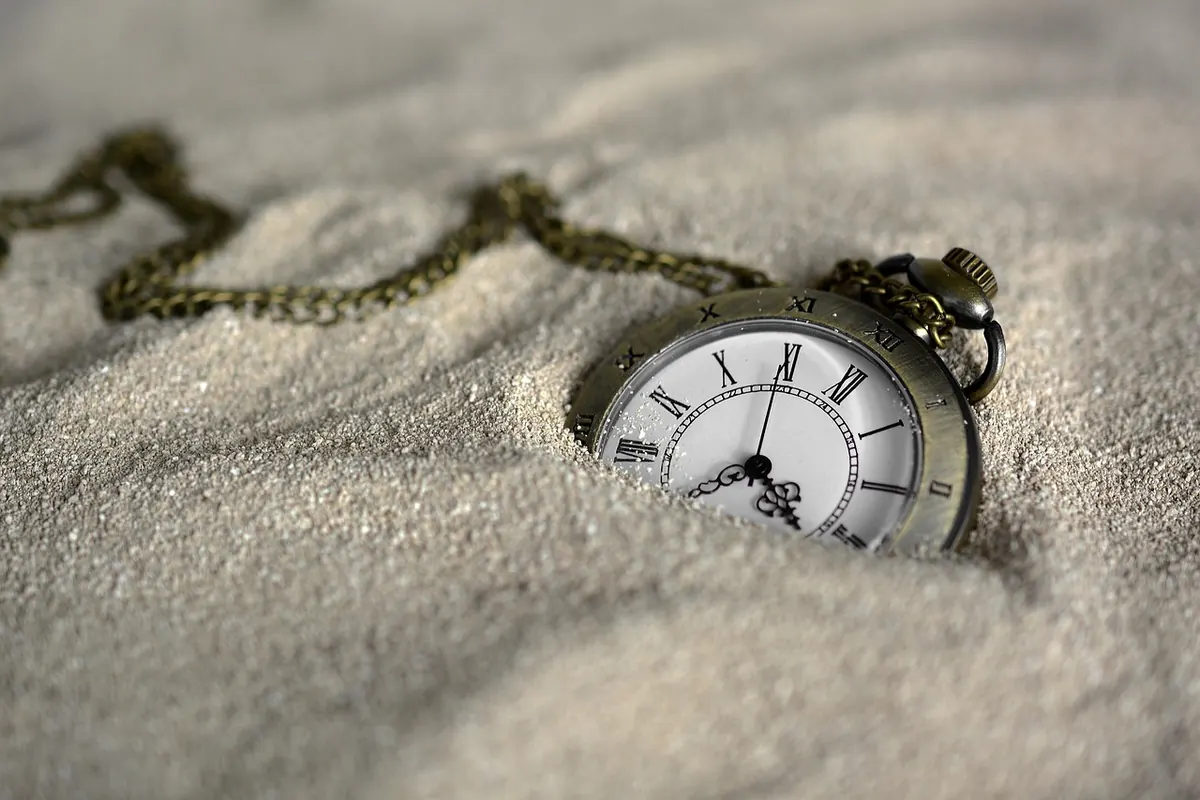
An antique mantel clock arrives at the bench wrapped in a towel. The owner has done their best: a spray bottle of kitchen cleaner, a rag, ten minutes of enthusiasm. Now a patch of shellac the size of a hand has gone milky, one corner of walnut veneer has lifted, and the gilded bezel is down to grey base metal. The clock survived a century of coal smoke and three house moves, and it was undone by a Saturday afternoon.
That pattern is common enough to be worth naming. Damage to clock cases rarely comes from neglect — dust is patient and mostly harmless. It comes from cleaning, and specifically from a small set of recurring errors. Knowing them in advance is far cheaper than a restoration, and it lets you keep a case looking cared for without gambling with the finish.
The single most destructive habit is grabbing whatever is under the sink. Ammonia-based glass cleaner, all-purpose sprays, disinfectant wipes, rubbing alcohol, acetone, citrus degreasers — each of these will attack at least one finish commonly found on clock cases. Shellac, the finish on a great many nineteenth- and early twentieth-century cases, dissolves in alcohol and is softened by ammonia. Lacquer and varnish are vulnerable to solvents and to strong alkalis. A single wipe can leave a dull streak that no amount of wax will hide.
What actually works is dull and reliable: a drop of mild dish soap in warm water, or a dedicated neutral cleaner, applied to a cloth rather than the case. For greasy grime that soap won't shift, mineral spirits on a discreet test area is usually safe on finished wood — but only after the test.
Test in a place nobody looks. The bottom edge of the case, the back, the inside of a door. Apply the cleaner to a cotton rag, wait a minute, wipe dry, and check for colour on the cloth or a change in sheen. If the finish softens or the cloth picks up colour, stop.
Water is the second great offender, and it rarely announces itself. It swells timber, lifts veneer at the edges, rusts iron hinges and movement plates, and creeps under the bezel to stain a paper dial. A cloth used on a clock case should be barely damp — wrung until it feels almost dry, then folded so a clean face does the work.
The failures here are almost always about quantity and dwell time. Never run a case under a tap. Never leave a wet rag sitting on the top while you answer the phone. Never clean a case in a cold garage in January, or in a bathroom just after a shower, when the air is heavy and the wood is already taking on moisture. Shellac that has absorbed water turns cloudy white, a condition known as blushing, and it does not simply dry back to clarity.
Wipe, then dry immediately with a soft cloth, and let the case alone for a day before you wax or polish. If the clock lives in a very dry room, avoid adding moisture at all beyond the minimum.
Brass looks better shiny, which is exactly the trap. Abrasive metal polishes cut through lacquer and gilding in seconds, and repeated polishing rounds off the crisp edges of a bezel, softens engraving, and turns a sharp cast finial into something vague. Some of the darkening you are trying to remove is the patina that gives an old clock its age, and it does not grow back.
Furniture polish is its own problem. Silicone and oil-based products leave a film that attracts dust, builds up in carving, and can interfere with any future finish repair. A thin coat of good paste wax, applied sparingly and buffed clear, protects a case better than any spray. On brass, decide what you want: a bright polished surface requires maintenance forever, while a lightly tarnished one can simply be dusted. Either is defensible; endless polishing is not.
If you are unsure, stop. Dust is a reversible problem. A stripped finish is not.
Paper towels are mildly abrasive and leave lint in every crevice. Microfibre, well suited to glass, can drag grit across a soft shellac surface and scuff it. Feather dusters mostly redistribute dust from the shelf to the air and back again.
A modest kit covers nearly everything:
Work from the top down so loosened dust doesn't settle on what you've just cleaned, and brush rather than press. Grit held under a firm cloth is what scratches a finish.
Many owners decide the case would be simpler to clean with the movement out. Sometimes that is true. Often it is how screws get lost, threads get cross-threaded, hands get bent, and glass gets cracked on the bench. Never lift a clock by its finials, crest or columns; carry it by the base with both hands.
If the movement must come out, photograph every stage before you undo anything, tape each screw to a labelled piece of paper, and keep parts in a shallow tray with a lip. Be aware that mainsprings store considerable energy and that a movement is not a thing to open casually; if the work involves the spring or the escapement, that is a job for a clockmaker. Note too that some cases are weakened by old glue joints and should not be handled apart at all.
Dials punish optimism. Painted dials on older clocks can be water-soluble, and a damp cloth will lift numerals and chapter rings. Silvered dials lose their silvering with the lightest polishing. Flaking paint should not be touched, wiped or stabilised at home — every intervention makes it worse.
Clean the glass, not the dial. Spray cleaner onto the cloth, never onto the glass, so nothing runs down behind the bezel. If dust sits on the dial itself, a soft dry brush used with a light hand is the limit of what is sensible.
The safest approach is small and frequent rather than thorough and rare. Dust the case weekly with a soft brush, reaching into carving without pressure. Once a year, wipe the flat surfaces with a cloth wrung out in mild soapy water and dry immediately. Wax every year or two, thinly, buffing until no film remains. Keep the clock out of direct sun and away from radiators, which dry and bleach veneer unevenly, and check the case after any spell of damp weather.
When something looks wrong — a white bloom, a lifting edge, a softening patch — resist the urge to fix it with another product. Set the clock down, note what happened, and ask someone who works on period furniture or clocks. The cases that survive another fifty years are not the ones cleaned hardest. They are the ones cleaned least aggressively, by someone who knew when to leave well alone.
Photo: anncapictures / Pixabay